Loading…
The second edition grew the festival in scale and audience, cementing street art as part of Brisbane’s cultural identity.
As documented in the BSAF archive — the festival program reached wider still
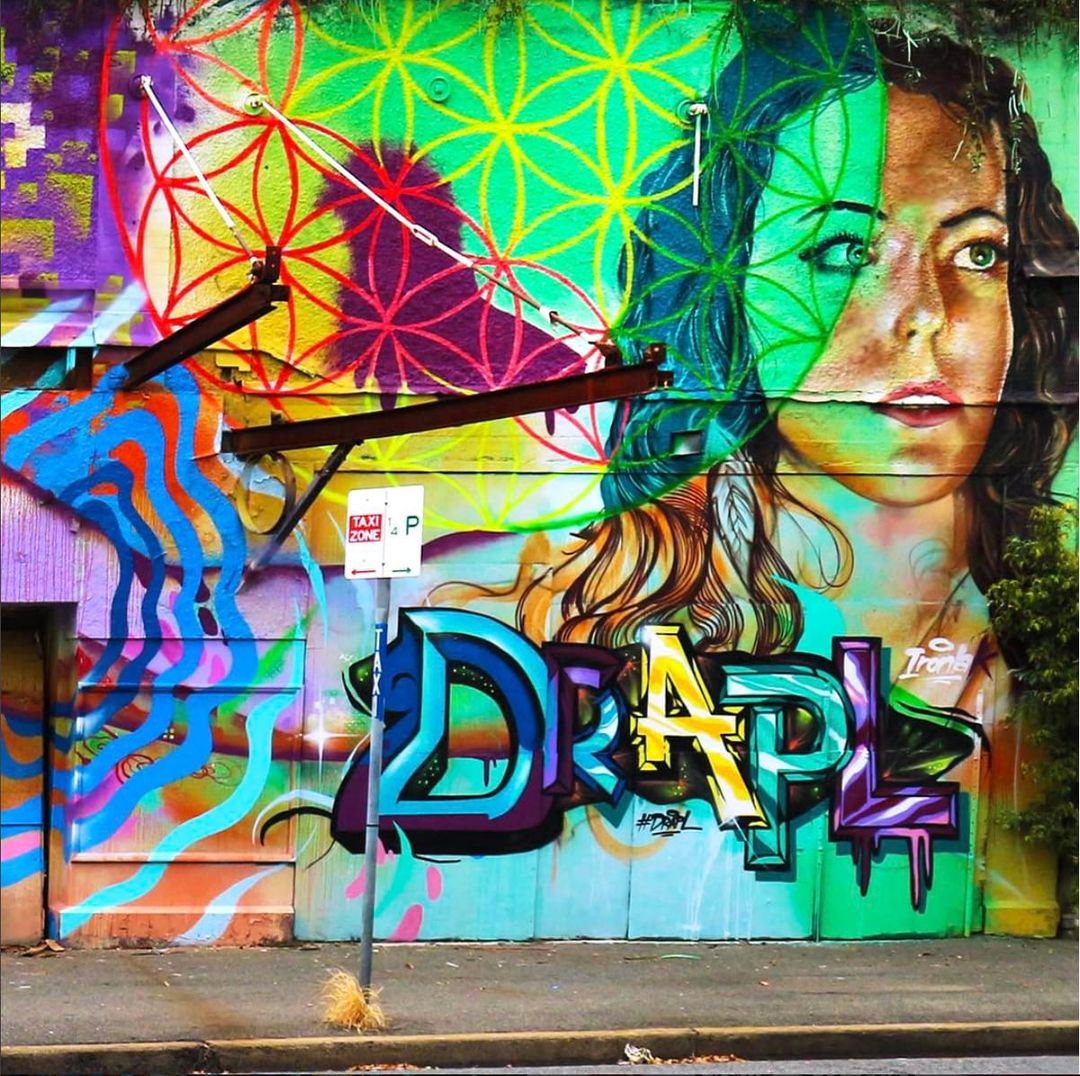
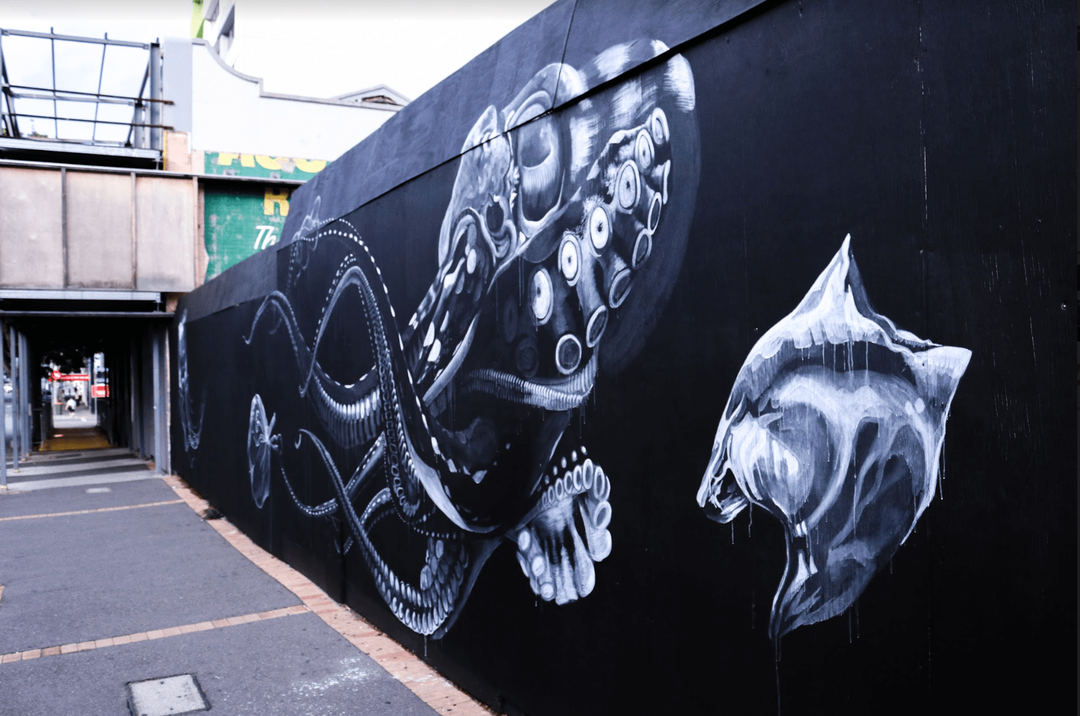
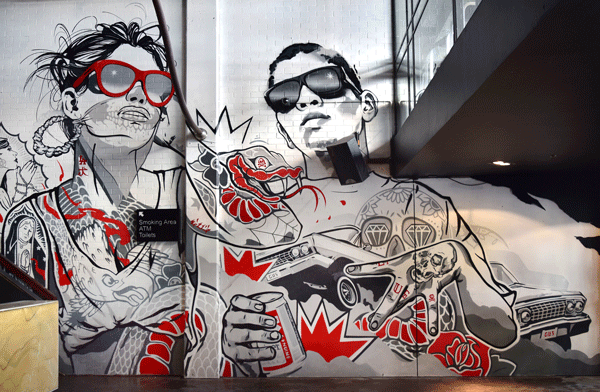
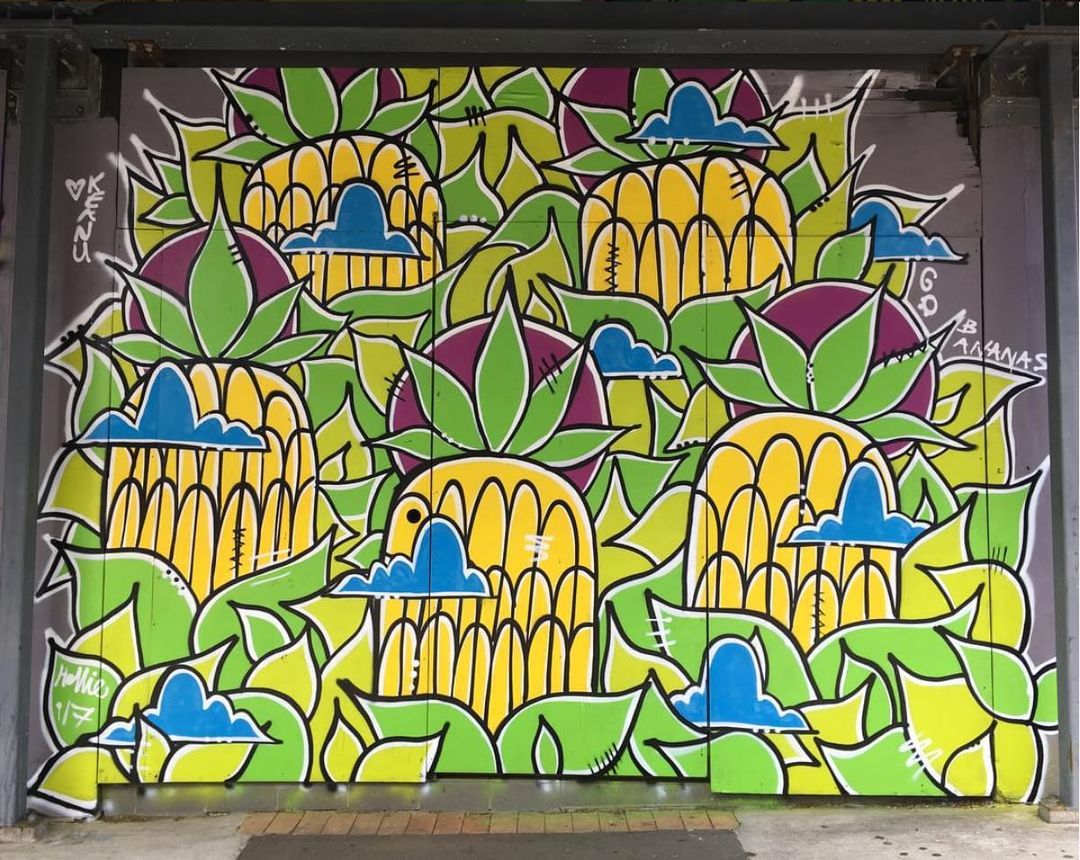
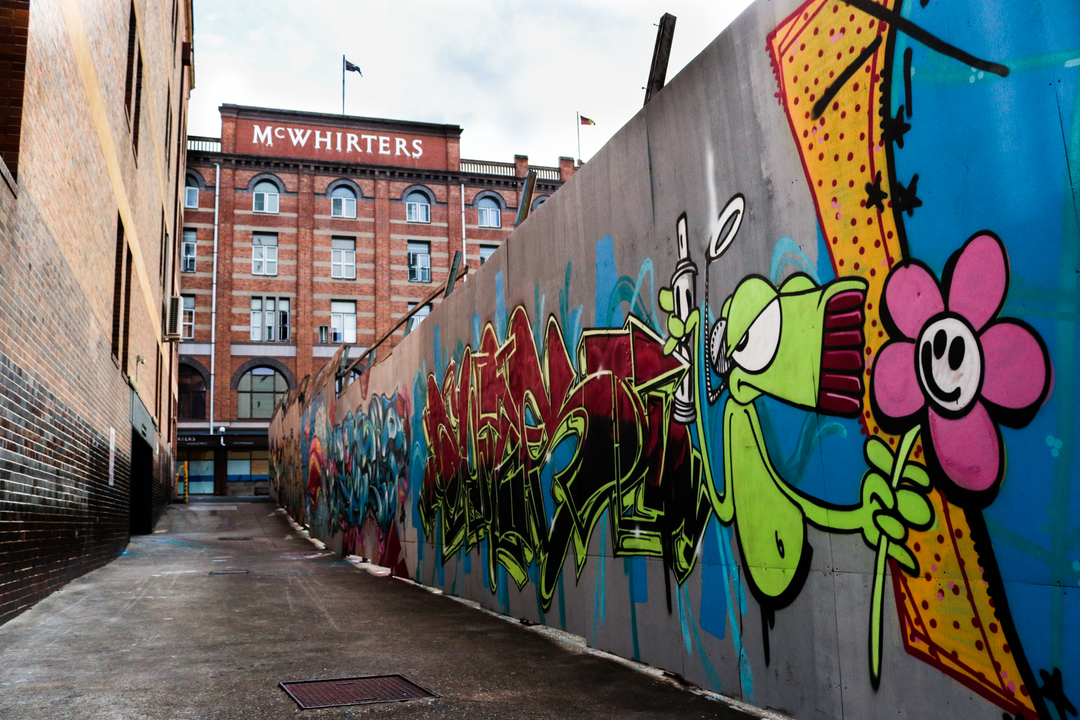
The second Brisbane Street Art Festival arrived in 2017 as a statement of intent. Where the inaugural 2016 edition had set out to prove that a dedicated celebration of street art could find a home in Brisbane, the follow-up confirmed it, expanding on almost every measure that mattered. Stretched across 21 days, from mid-February into early March, the festival pushed well beyond its first-year footprint and, by the organisers' own count, drew more than 5,000 attendees for the first time, while tens of thousands more encountered the new works simply by moving through the city each day.
The scale of the program was its defining feature. The festival reported engaging well over 200 artists, roughly four times the number involved in 2016, and spread their work across around thirty locations. That geographic reach was deliberately ambitious, activating sites throughout the inner city while reaching out to the bayside suburb of Wynnum and travelling as far north as Nambour, where a satellite program extended the festival beyond Brisbane proper. Admission across the program remained free, keeping the work open to anyone willing to look up at a wall or wander into a venue.
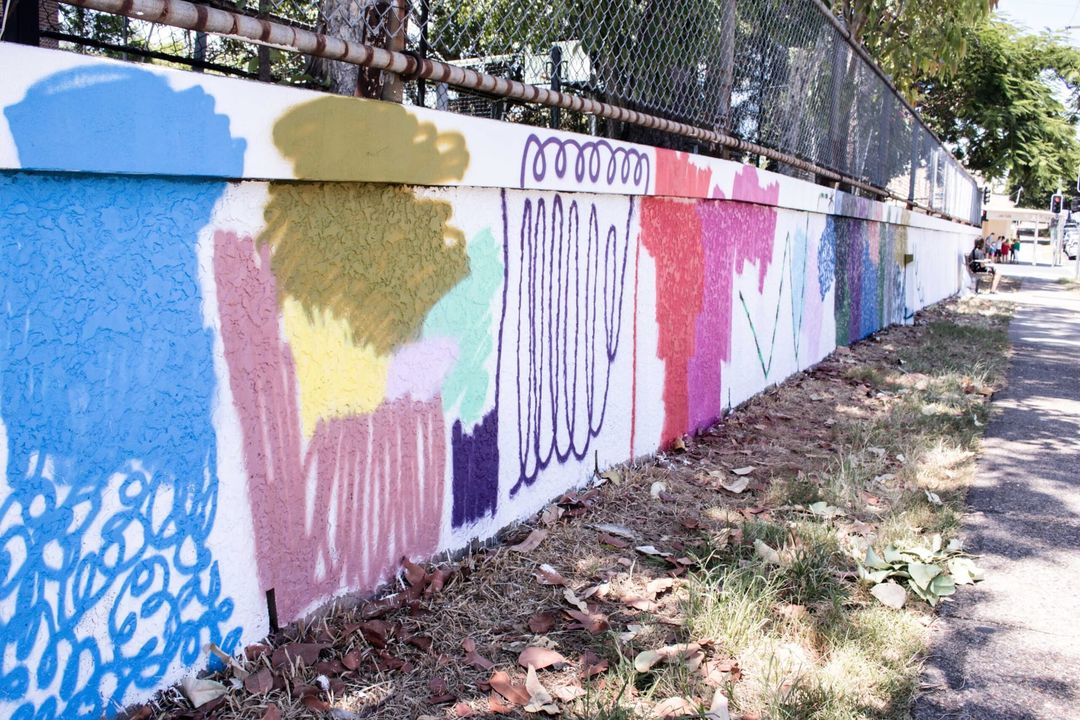
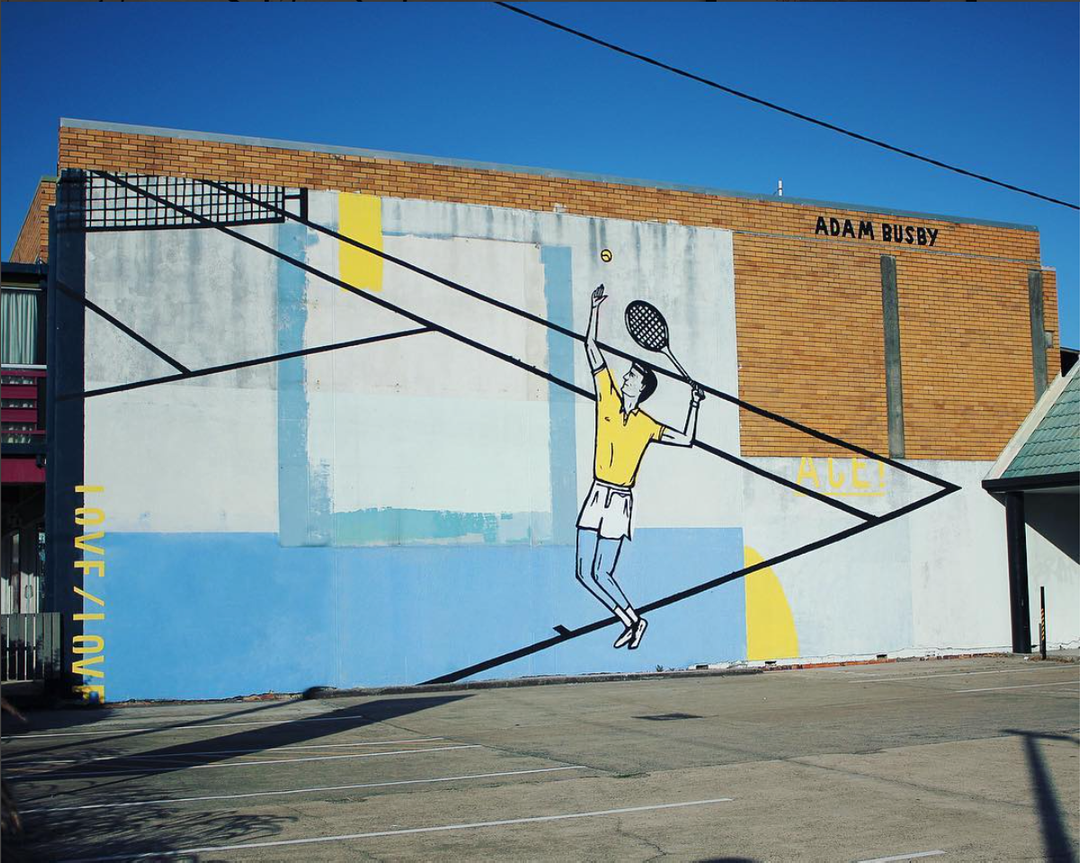
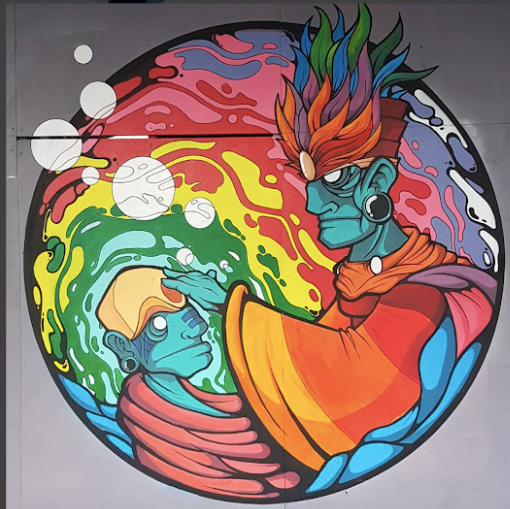
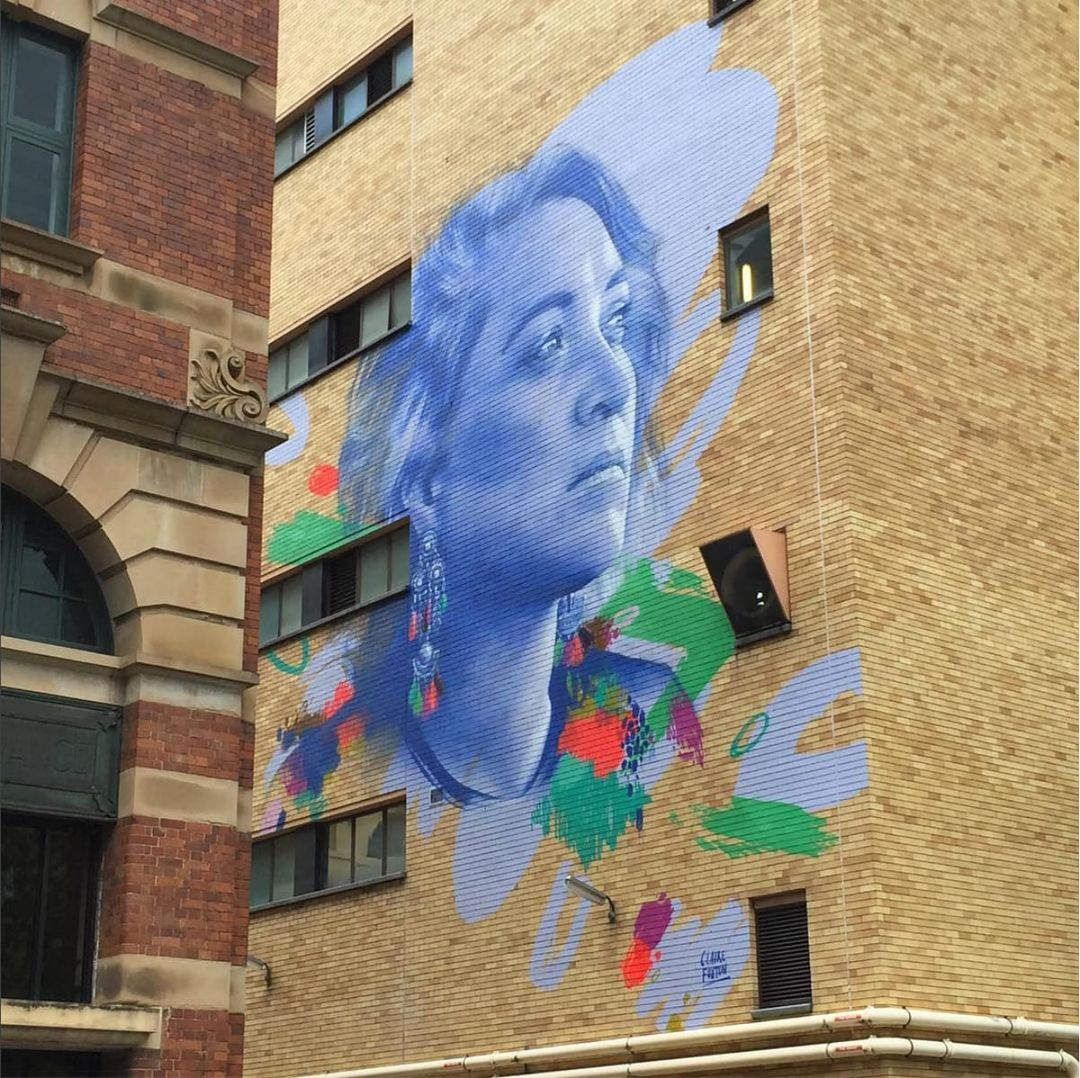
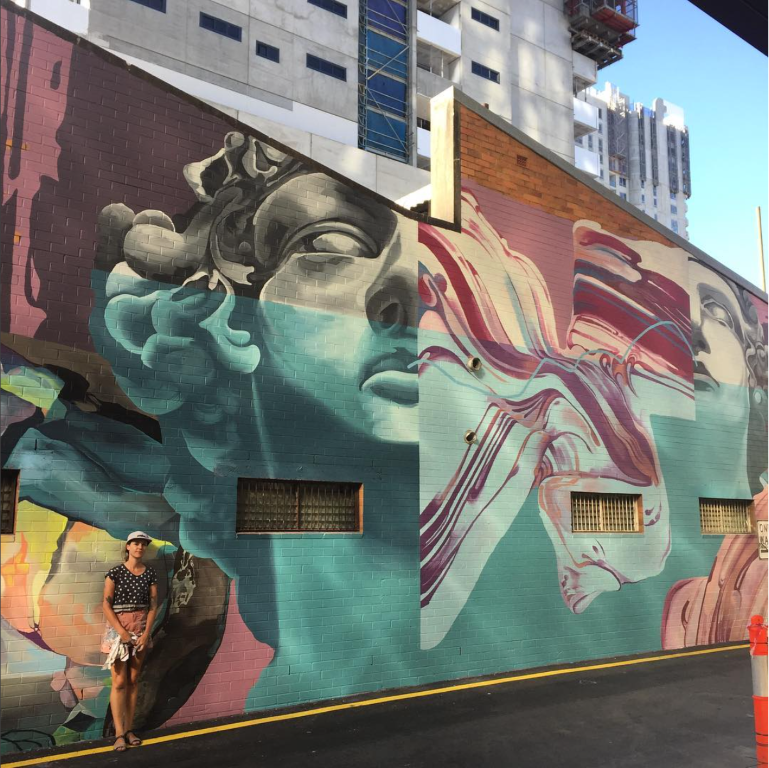
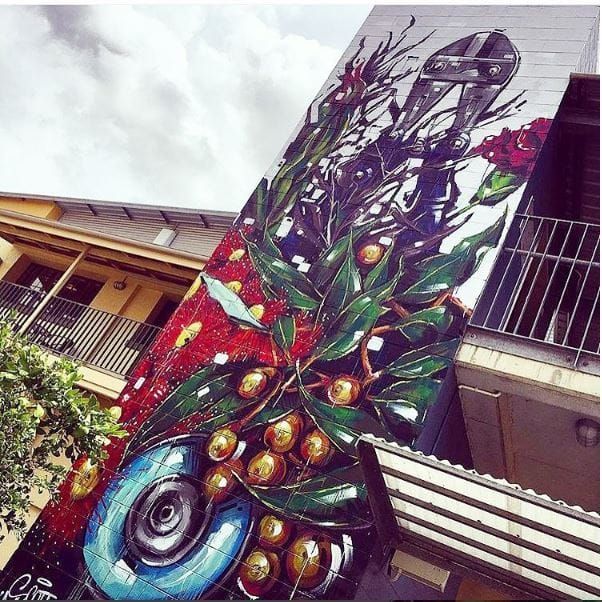
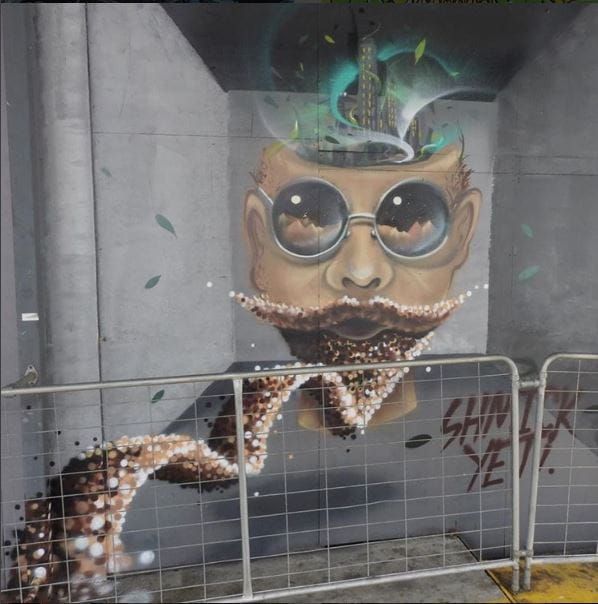
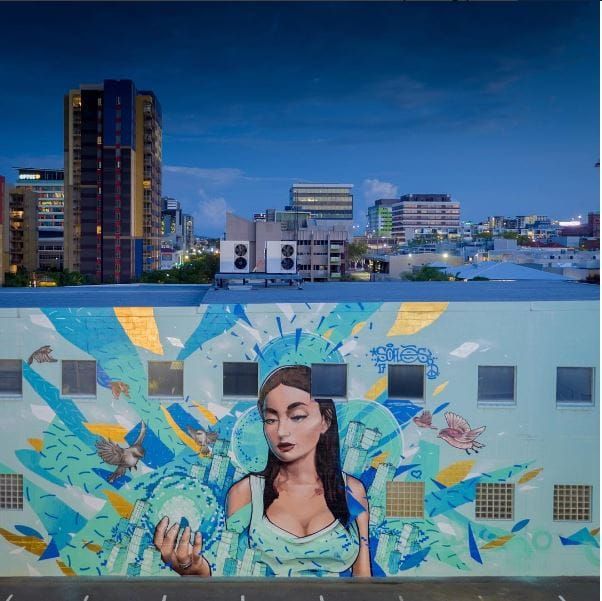
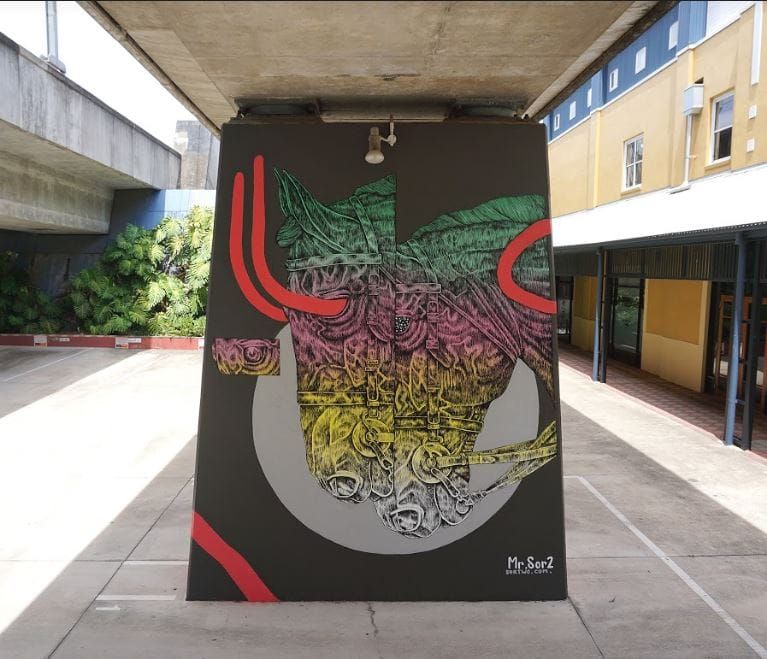
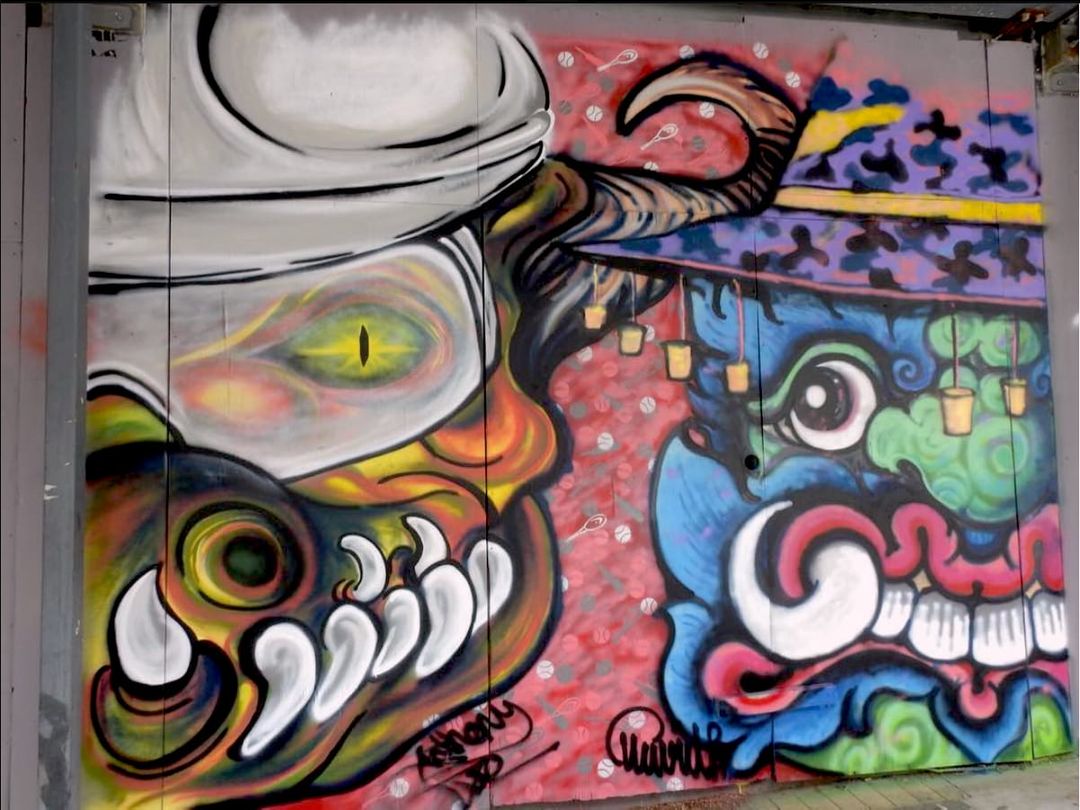
Just as significant was the calibre of partners the festival drew into its orbit. Alongside its citywide mural program, which added a fresh wave of large-scale works to Brisbane's streets, BSAF 2017 collaborated with a roll-call of the city's cultural institutions, including the Queensland Museum, Brisbane Powerhouse, the Tivoli, Queensland University of Technology and the increasingly celebrated Fish Lane precinct. A repurposed venue at Red Hill, the old Skate Arena, anchored part of the action, joining a clutch of dedicated art showcase spaces.
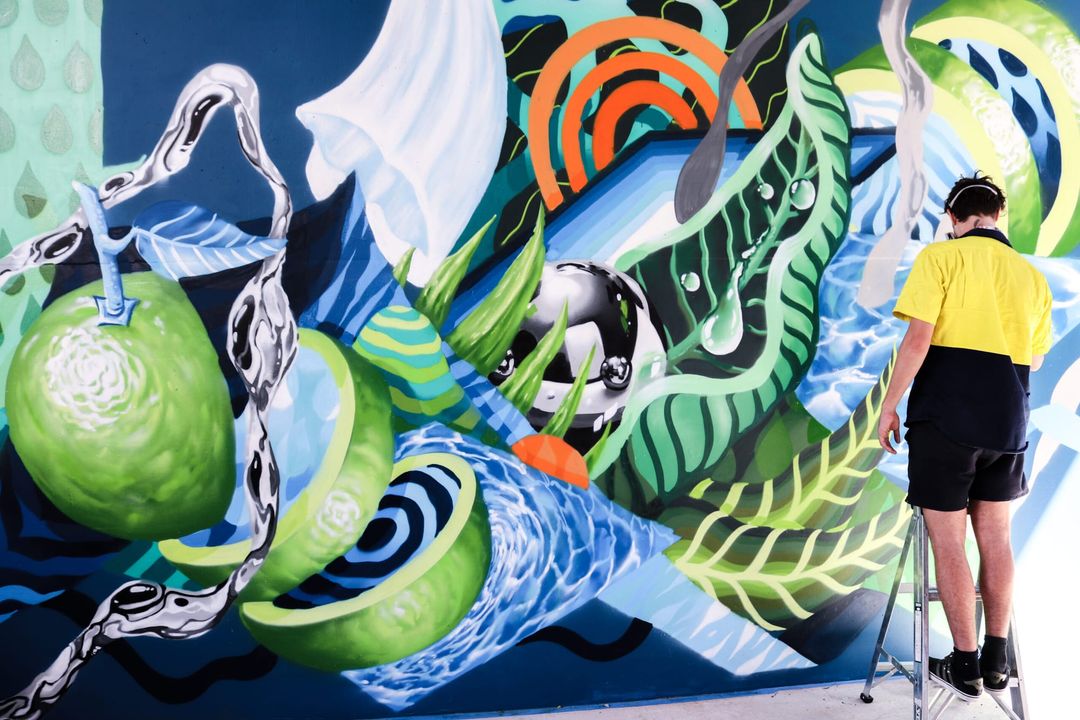
The result was a festival that worked on several registers at once. Live graffiti and mural painting ran alongside projections staged in public spaces, late-night parties, performances, workshops and educational classes, pitch sessions for artists and even sonic cinema experiences. Taken together, the 2017 edition marked the moment BSAF graduated from promising newcomer to fixture of Brisbane's cultural calendar, laying the groundwork, and the institutional relationships, that would carry the festival through the years to come.